Nyhed
New tools to support children with a hidden language disorder
Nyhed
New tools to support children with a hidden language disorder
New tools to support children with a hidden language disorder
Nyhed
Nyhed
By Nelly Sander, AAU Communication and Public Affairs
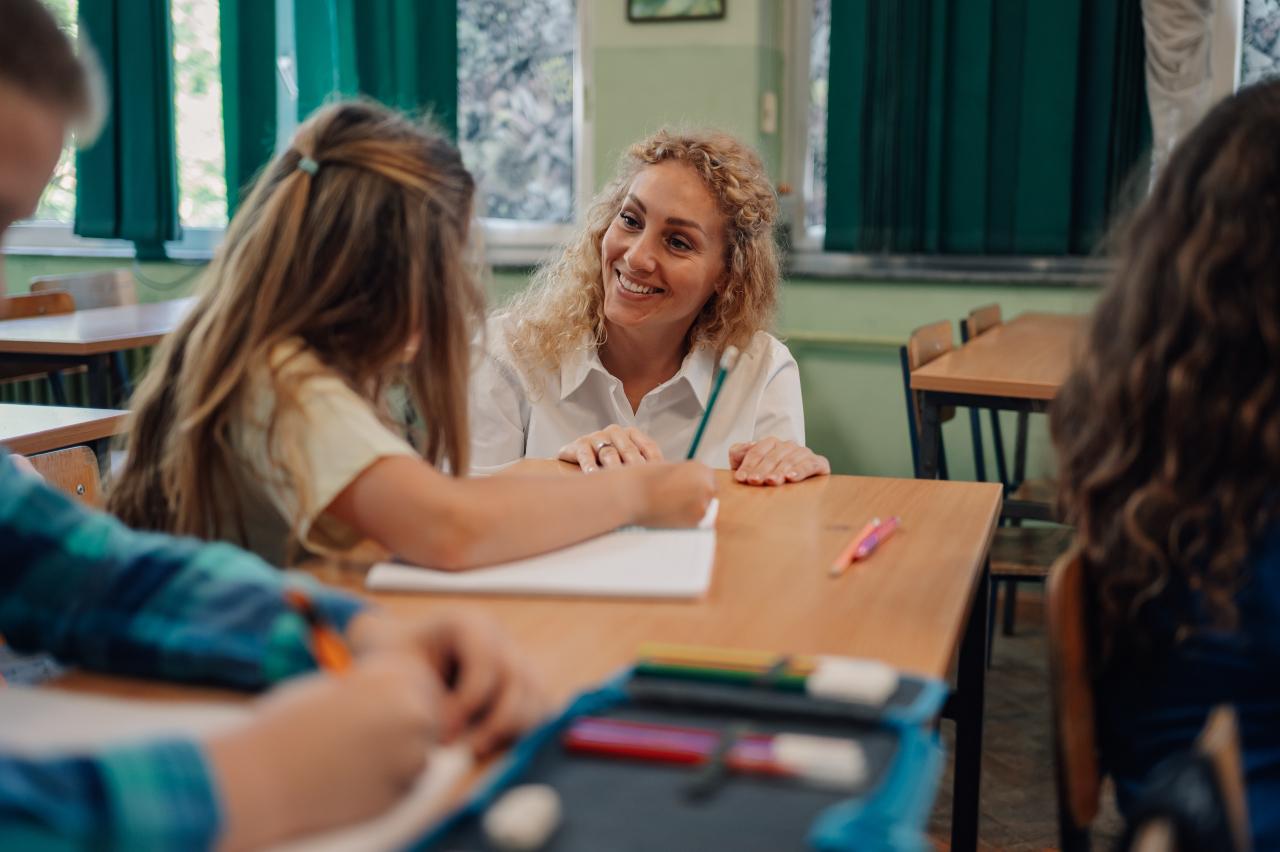
Photo: Shutterstock
DLD is an invisible, developmental language disorder characterised by persistent difficulties in using and understanding language. It affects an estimated two children in every class, yet many teachers feel they lack knowledge on DLD, and how they can support these pupils’ language development.
AAU Professor of Developmental Psychology Kristine Jensen de López has contributed to developing a set of practical tools designed to support teachers in working with pupils with DLD. The material is currently only available in Danish; however, the key advice is summarised below.
Among other things, the material encourages the use of visual supports such as colour coding or word cards, as well as clear repetition of key linguistic elements and structures. Other opportunities that support conversation and storytelling skills include role‑play activities, where social rules are enacted in concrete ways and visualised using symbols. Cognitive tools that do not require complex language are helpful tools of support in developing pupils' language and communication skills, the professor explains.
The DLD Knowledge Pack is not intended as a diagnostic tool, but as support for pupils’ language development.
It is aimed at primary school teachers working with pupils aged 9-12, where, according to Kristine Jensen de López, children have typically reached a level of maturity that allows for a reliable assessment of DLD. The material is designed for use with the whole class, not only with pupils who have been diagnosed with DLD or who show clear signs of the disorder.
“Teachers are given concrete strategies that strengthen both the general language environment of the classroom and the language development of individual pupils. Many of the initiatives act as language boosters that benefit all children,” she explains.
The professor emphasises the importance of teachers being aware of DLD and understanding how to support pupils with language difficulties. The consequences of growing up with DLD can be severe.
“Language plays a central role in our social lives, and DLD can therefore have significant social consequences. Children may find it difficult to engage in society, to meet new people or to take part in conversations with friends, because the words do not come easily to them,” she says.

Create a clear linguistic framework
Give clear instructions, repeat key words and use visual supports so pupils do not have to guess what is being said.
Allow extra time – for thinking as well as for answers
Children with DLD process language more slowly. A few extra seconds of waiting time can make a significant difference.
Use modelled language
Repeat the pupil’s message in the correct form without correcting or criticising. In this way, the pupil is given the opportunity to develop their language without experiencing failure.
Work with small language building blocks
Map out vocabulary, subject‑specific terms and sentence structures, and work with them systematically across subjects.
Pay attention to well-being and social relationships
Language difficulties often affect a child’s friendships and opportunities to take part in social activities. Be alert to signs of isolation and withdrawal.
Support the child in developing personal strategies.
These strategies can help the child make others aware of how they can easily adjust their language.
More knowledge